Azoospermia
Zero Sperm Count — Causes, Types & Homeopathic Treatment

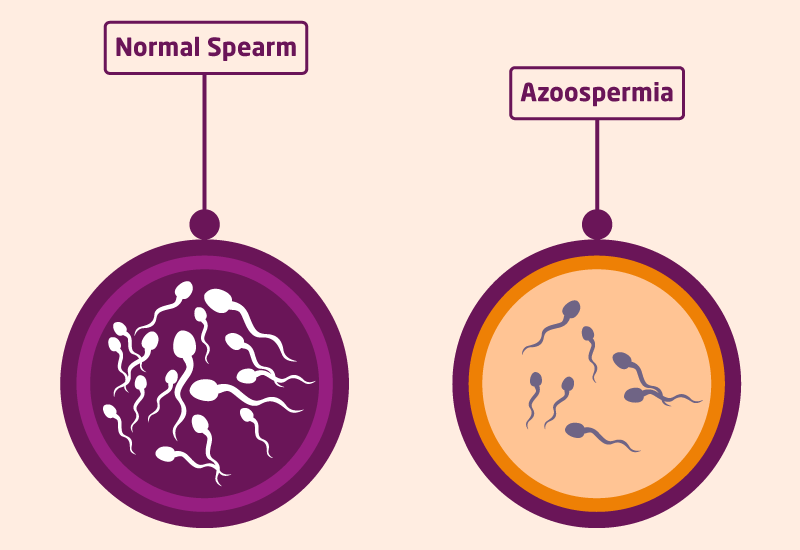
Azoospermia is the medical condition of a man not having any measurable level of sperm in his semen. It is associated with very low levels of fertility or even sterility.
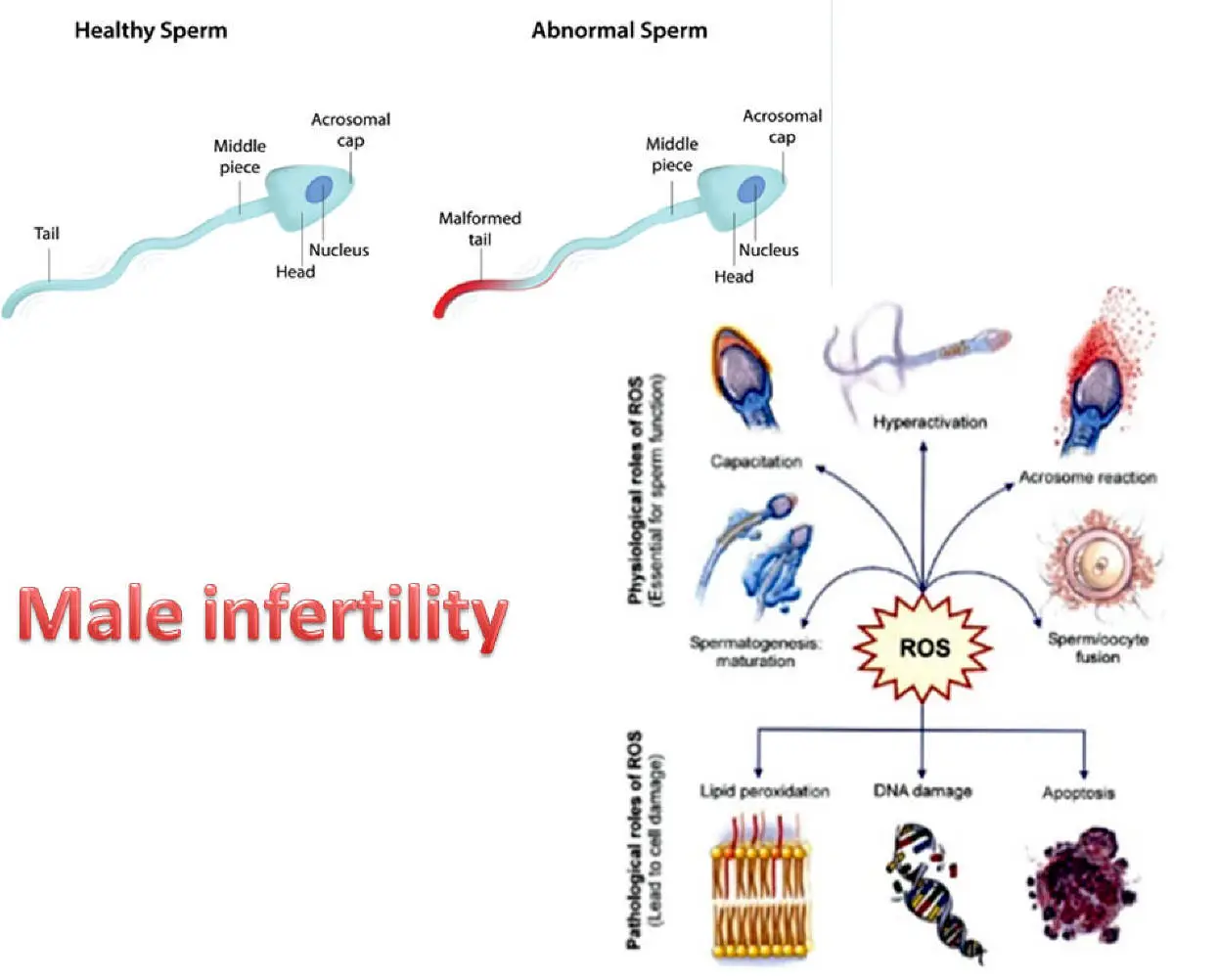
Azoospermia can be classified into three major types
Understanding the type of azoospermia is crucial for determining the right treatment approach.
Pretesticular Azoospermia
Pretesticular azoospermia is characterized by inadequate stimulation of otherwise normal testicles and genital tract.
Typically, follicle-stimulating hormone (FSH) levels are low (hypogonadotropic) commensurate with inadequate stimulation of the testes to produce sperm.
Examples include hypopituitarism, hyperprolactinemia, and exogenous FSH suppression by testosterone.
Chemotherapy may suppress spermatogenesis.
Pretesticular azoospermia is seen in about 2% of azoospermia.
Testicular Azoospermia
In this situation the testes are abnormal, atrophic, or absent, and sperm production severely disturbed to absent.
FSH levels tend to be elevated (hypergonadotropic) as the feedback loop is interrupted (Testicular failure).
The condition is seen in 49-93% of men with azoospermia.
Testicular failure includes absence of failure production as well as low production and maturation arrest during the process of spermatogenesis.
Congenital Causes
Genetic conditions (e.g. Klinefelter syndrome)
Some cases of cryptorchidism
Sertoli cell-only syndrome
Acquired Causes
Infection (orchitis)
Surgery (trauma, cancer)
Radiation or other causes
Mast cells releasing inflammatory mediators appear to directly suppress sperm motility in a potentially reversible manner, and may be a common pathophysiological mechanism for many causes leading to inflammation.
Generally, men with unexplained hypergonadotropic azoospermia need to undergo a chromosomal evaluation.
Posttesticular Azoospermia
In posttesticular azoospermia sperm are produced but not ejaculated, a condition that affects 7-51% of azoospermic men.
The main cause is a physical obstruction (obstructive azoospermia) of the posttesticular genital tracts.
The most common reason is a vasectomy done to induce contraceptive sterility.
Other obstructions can be congenital (example agenesis of the vas deferens as seen in certain cases of cystic fibrosis) or acquired, such as ejaculatory duct obstruction for instance by infection.
Ejaculatory disorders include retrograde ejaculation and anejaculation; in these conditions sperm are produced but not expelled.
Congenital Obstructions
Agenesis of the vas deferens as seen in certain cases of cystic fibrosis
Acquired Obstructions
Vasectomy for contraceptive sterility (most common)
Ejaculatory duct obstruction by infection
Comparison of Pretesticular, Testicular & Posttesticular Azoospermia
Get Homeopathic Treatment for Azoospermia
Dr. R.K. Singh has successfully treated thousands of azoospermia cases with natural homeopathic remedies. Book your consultation today.